
Glasgow coat of arms hires stock photography and images Alamy

The arms were officially granted on October 25, 1866. The City of Glasgow had no single official armorial bearings until the 19 th century. There were at least three official seals in use before a patent was granted by the Lord Lyon in 1866. The emblems had been used in various forms and can be traced back to the seals of the Bishop of Glasgow.
Glasgow Coat of Arms Anne Flickr

Glasgow's landscape is adorned with its coat of arms, a symbol of the city's enduring heritage and ambition, prominently displayed in locations ranging from the historic lamppost near Glasgow Cathedral to the modern Commonwealth Arena. This emblem encapsulates tales of St Serf, Lord Provost, and the revered Mungo.
Glasgow Coat of Arms © Thomas Nugent Geograph Britain and Ireland
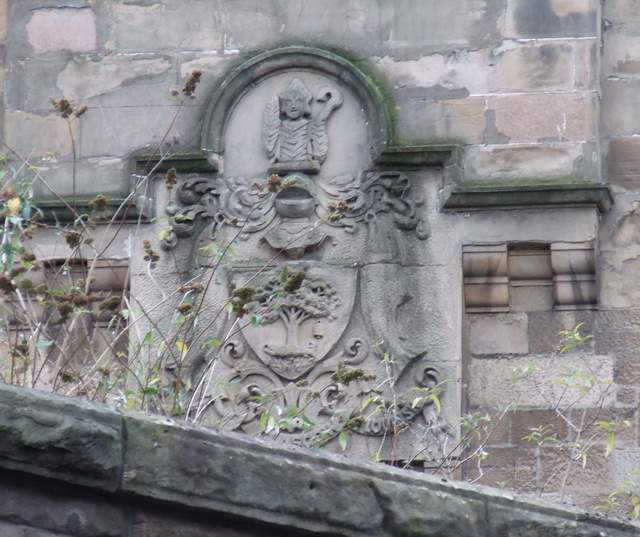
The miracles of St Kentigern (also known as St Mungo), the city's Founding Father, provide the Coat of Arms. Since St Kentigern's time, the history and development of the Coat of Arms mirrors that of Glasgow itself. For example, the City's formal adoption of the Coat of Arms in 1866, as granted by the Lord Lyon, was coterminous with the.
Glasgow Coat of Arms Stock Photo Alamy
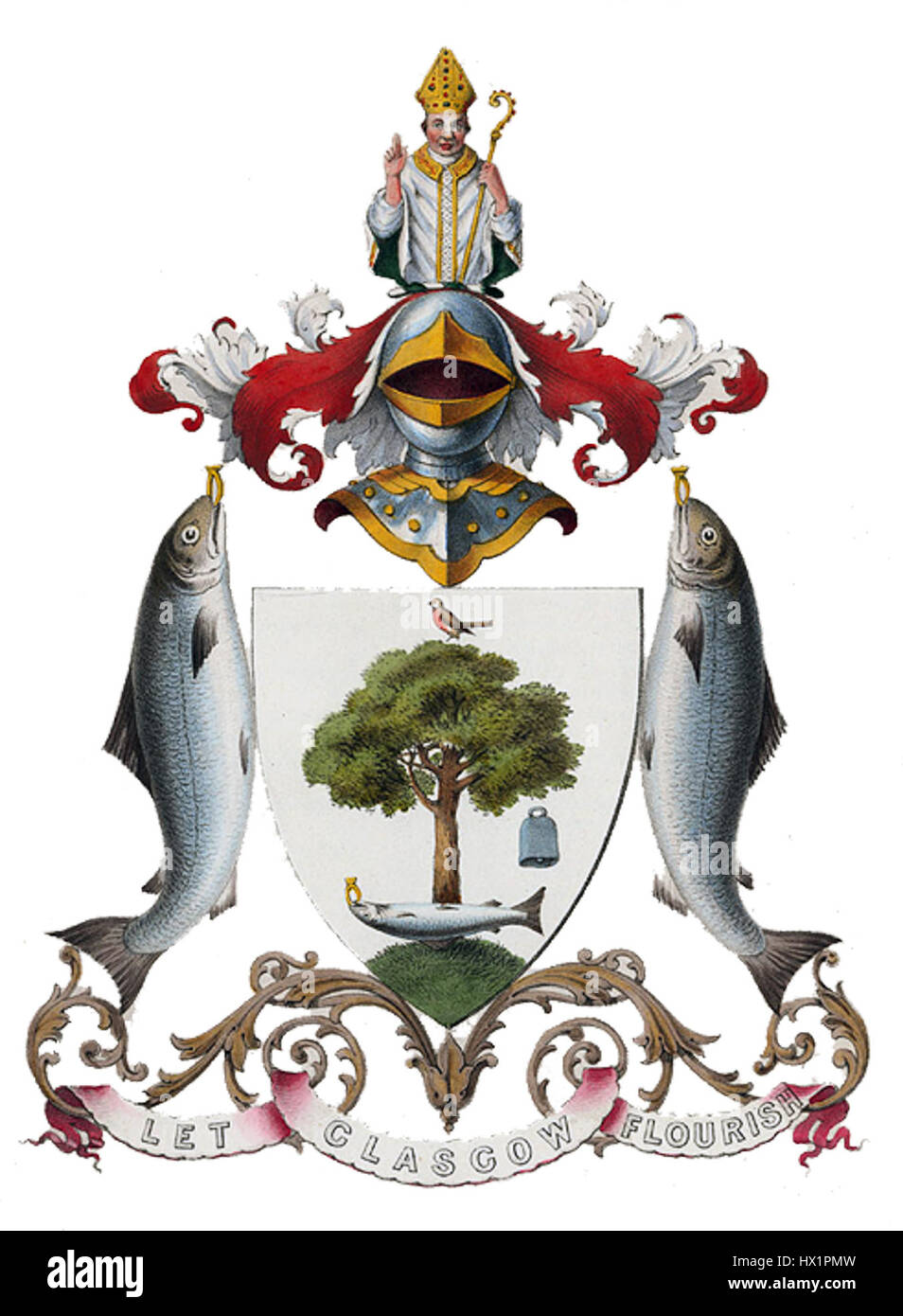
The coat of arms of Glasgow City Council is the coat of arms belonging to Glasgow City Council, the local authority of Glasgow, Scotland. The coat of arms was first granted by the Lord Lyon King of Arms in 1866, and re-granted to the current city council in 1996. [2] The design references several legends associated with Saint Mungo, the patron.
Glasgow Coat of Arms and city motto 'Let Glasgow flourish' from Glen Finglas Reservior sign
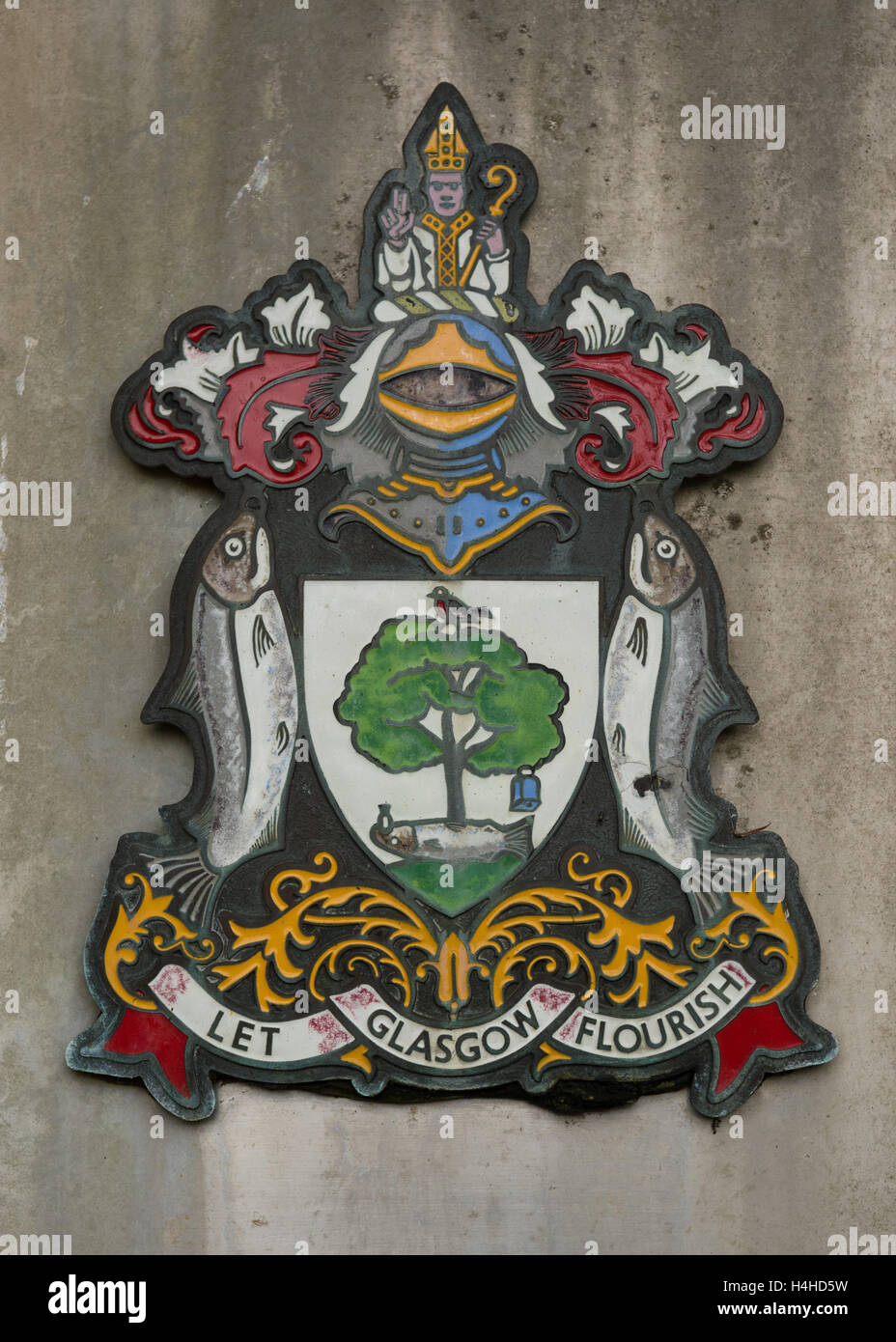
The Glasgow Coat of Arms is an intricate heraldic creation, symbolizing the life of the city's patron saint and the values he espoused. Foremost among these symbols is the tree, often cited as a miraculous hazel tree that never grew. This iconography harks back to St Mungo's early days at St Serfs Monastery, where a seemingly dead branch from a.
Glasgow Coat of arms (crest) of Glasgow
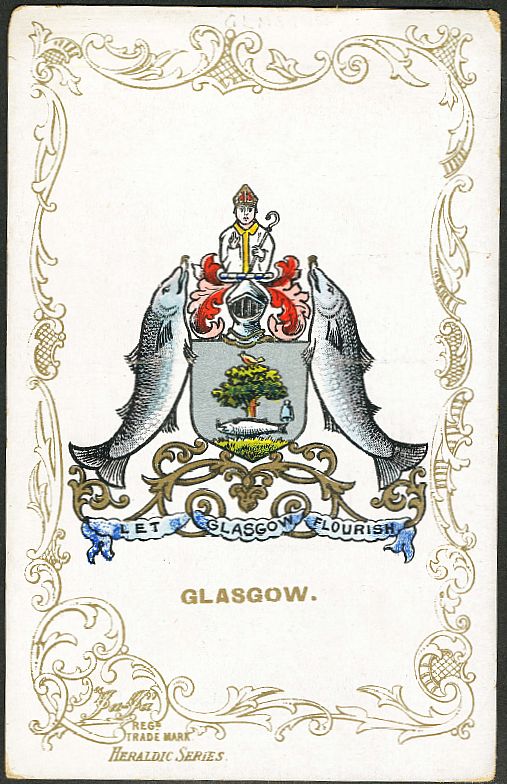
By the 15th century, the hand bell had become symbol synonymous with the city of Glasgow. Following this legend, in 1450, John Stewart, known as the first provost of Glasgow, left a bell ring out.
Glasgow coat of arms and lampost by the cathedral Stock Photo Alamy
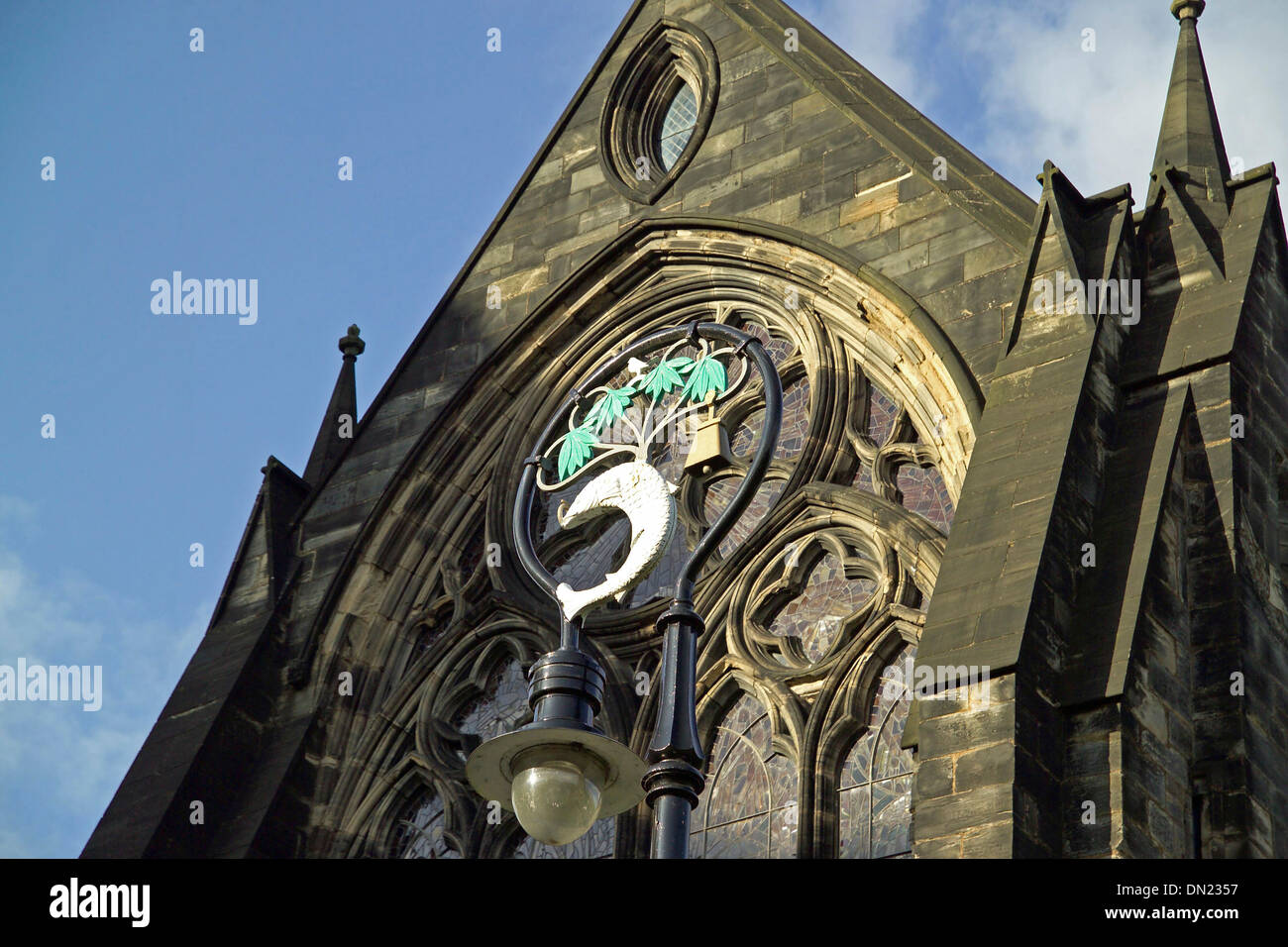
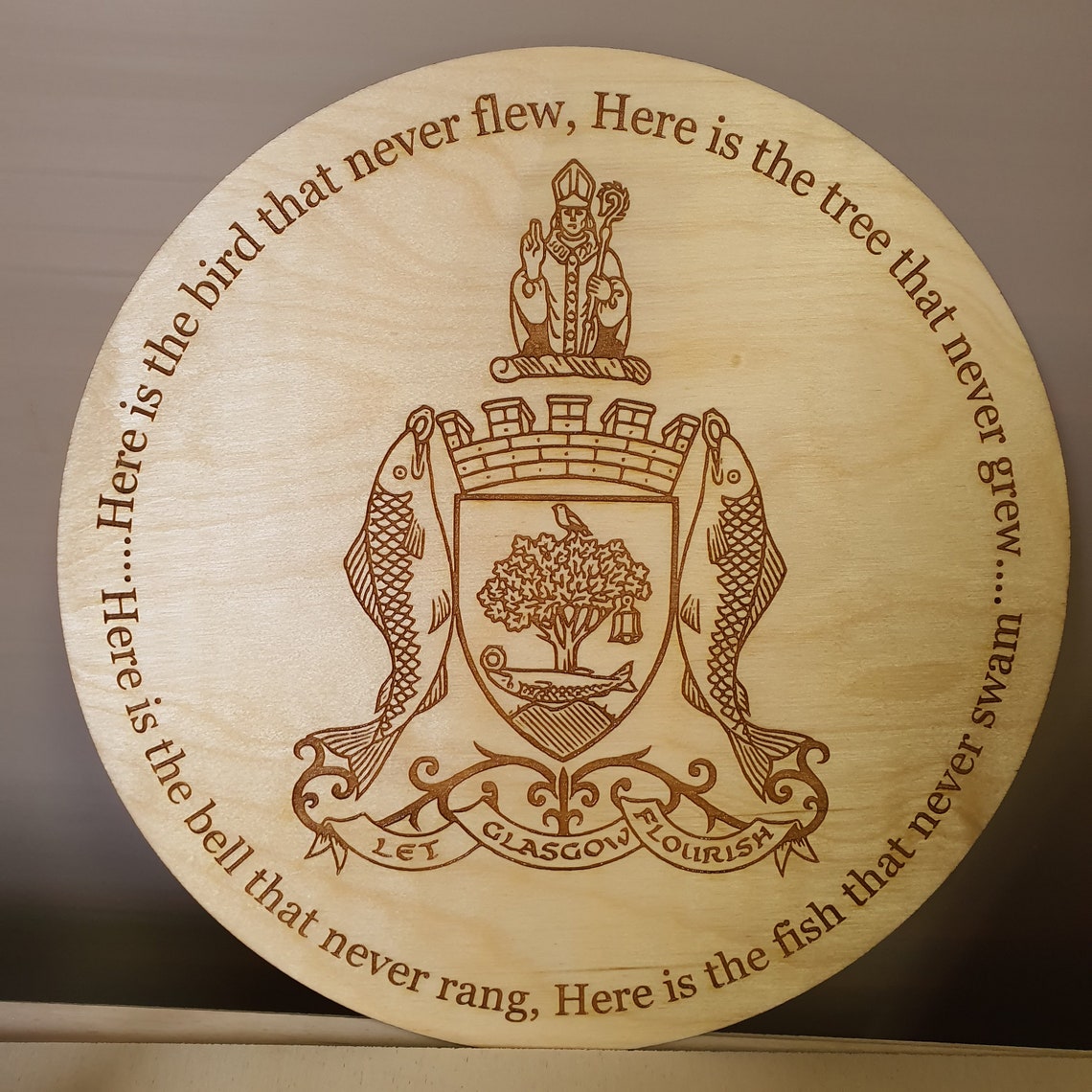
Glasgow's coat of arms is associated with an enigmatic rhyme: Here's the bird that never flew. Here's the tree that never grew. Here's the bell that never rang. Here's the fish that never swam. Behind the rhyme there are original Christian messages, but, as these messages are not explicit, leaving a gap between the messages and the.
Scotland, Glasgow, Buchanan Street. The Glasgow Coat of Arms Stock Photo Alamy

Glasgow Photo Library. - Coat of Arms. In 1866 the Lord Lyon King at Arms gave approval for a coat of arms for the City of Glasgow which incorporated a number of symbols and emblems which had been used on official seals up until then - all of which were associated with St Mungo. The motto was originally "Lord, let Glasgow Flourish by the.
Glasgow Coat of arms (crest) of Glasgow
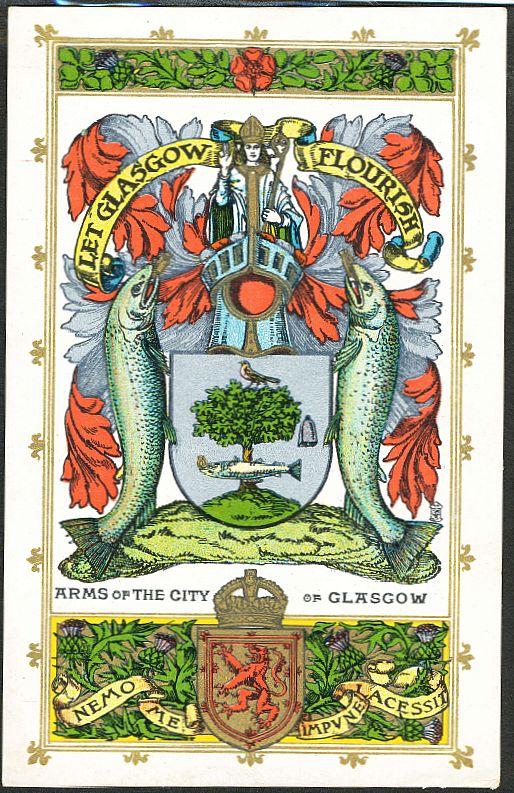
The Glasgow coat of arms is the symbol that is used to represent the Scottish city of Glasgow. It features four key objects which each have a symbolic meaning: a bird, a bell, a fish and a tree. The motto of Glasgow, shown on the coat or arms, is 'let Glasgow flourish'. Download FREE teacher-made resources covering 'Glasgow Coat of Arms'.
Coat of arms (crest) of Glasgow
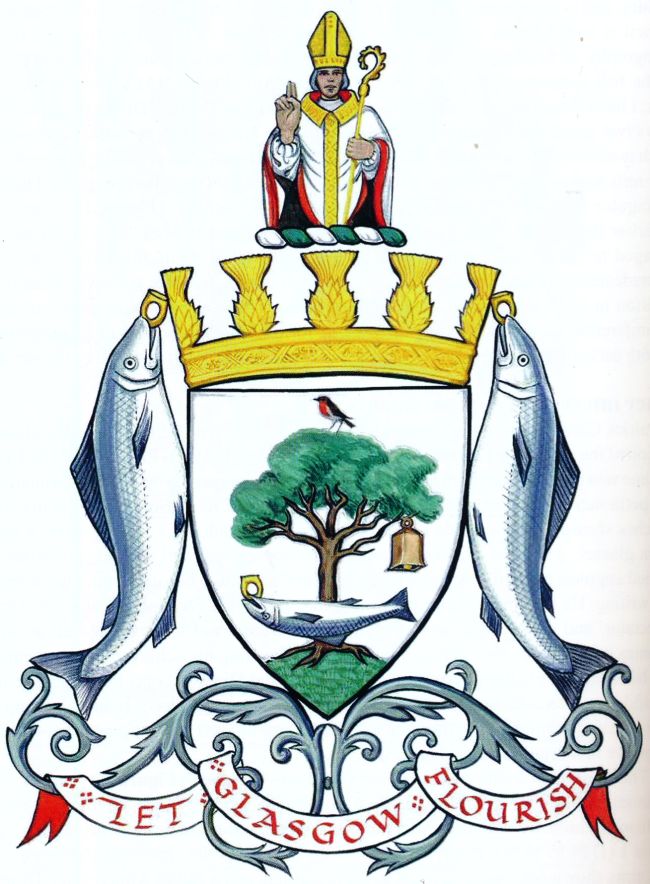
- Glasgow's Coat of Arms. City of Glasgow Coat of Arms Background. Glasgow, like many cities, owes its existence to the river which flows through it and the fact that in historical times it was a convenient crossing point of that river.In those days the Clyde was not a deep navigable river up to Glasgow, but was the last place where a bridge could be built to allow a crossing without a boat.
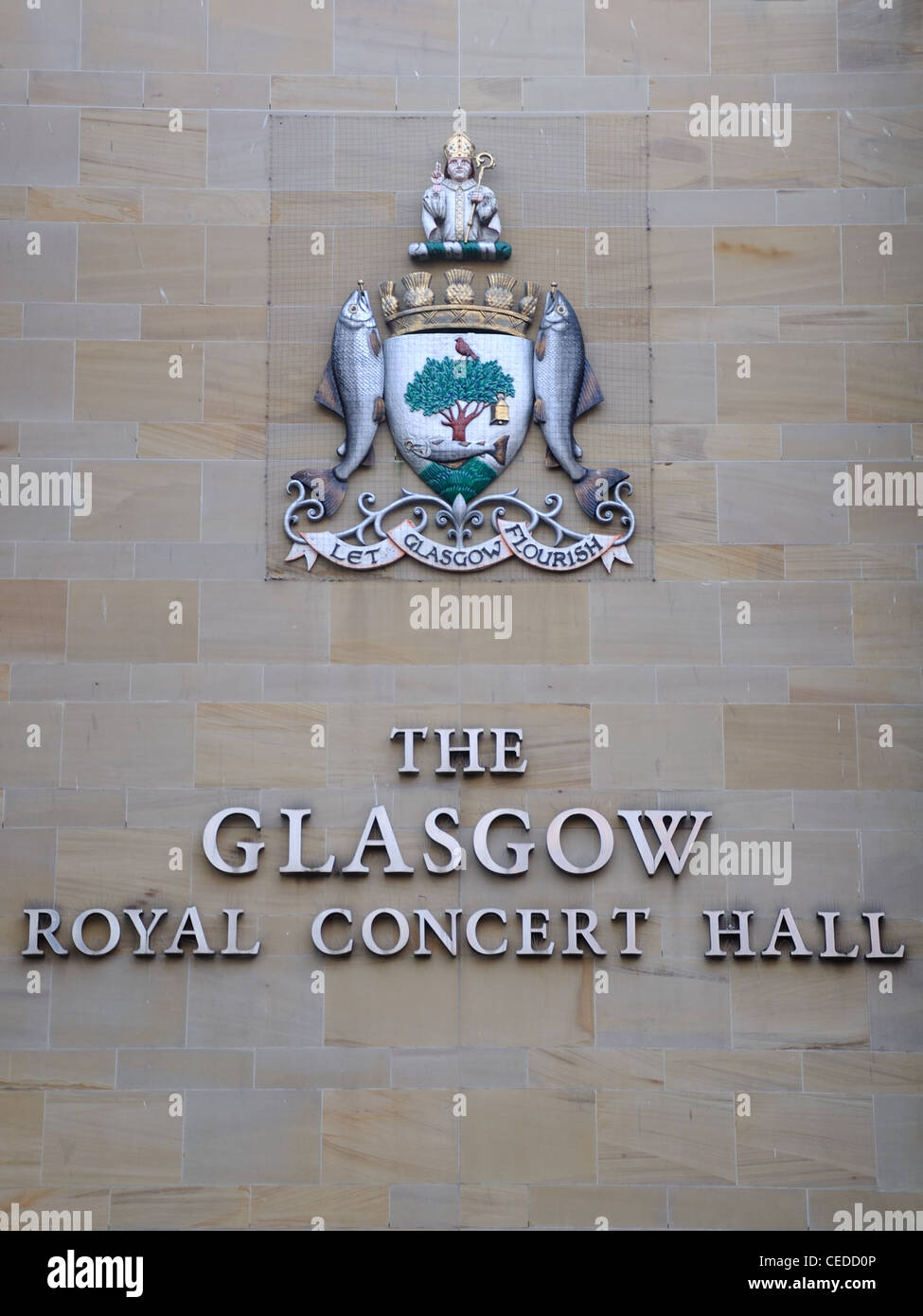
The Glasgow coat of arms, 'Let Glasgow Flourish' on the wall of the Stock Photo, Royalty Free
Banner of the arms, which serves as the city flag. The Lord Lyon first granted a patent for a coat of arms for the city of Glasgow in 1866. Before this time, there were at least three official coats of arms in use. The first seal to use all the elements associated with the coat of arms was that of the Chapter of Glasgow, in use from 1488-1540.
Glasgow City Coat of Arms It's A Scottish Thing... Scotland castles, Gorbals glasgow

History Banner of the arms, which serves as the city flag. The Lord Lyon first granted a patent for a coat of arms for the city of Glasgow in 1866. Before this time, there were at least three official coats of arms in use. The first seal to use all the elements associated with the coat of arms was that of the Chapter of Glasgow, in use from 1488-1540, but they did not appear in something close.
Glasgow coat of arms Stock Photo Alamy
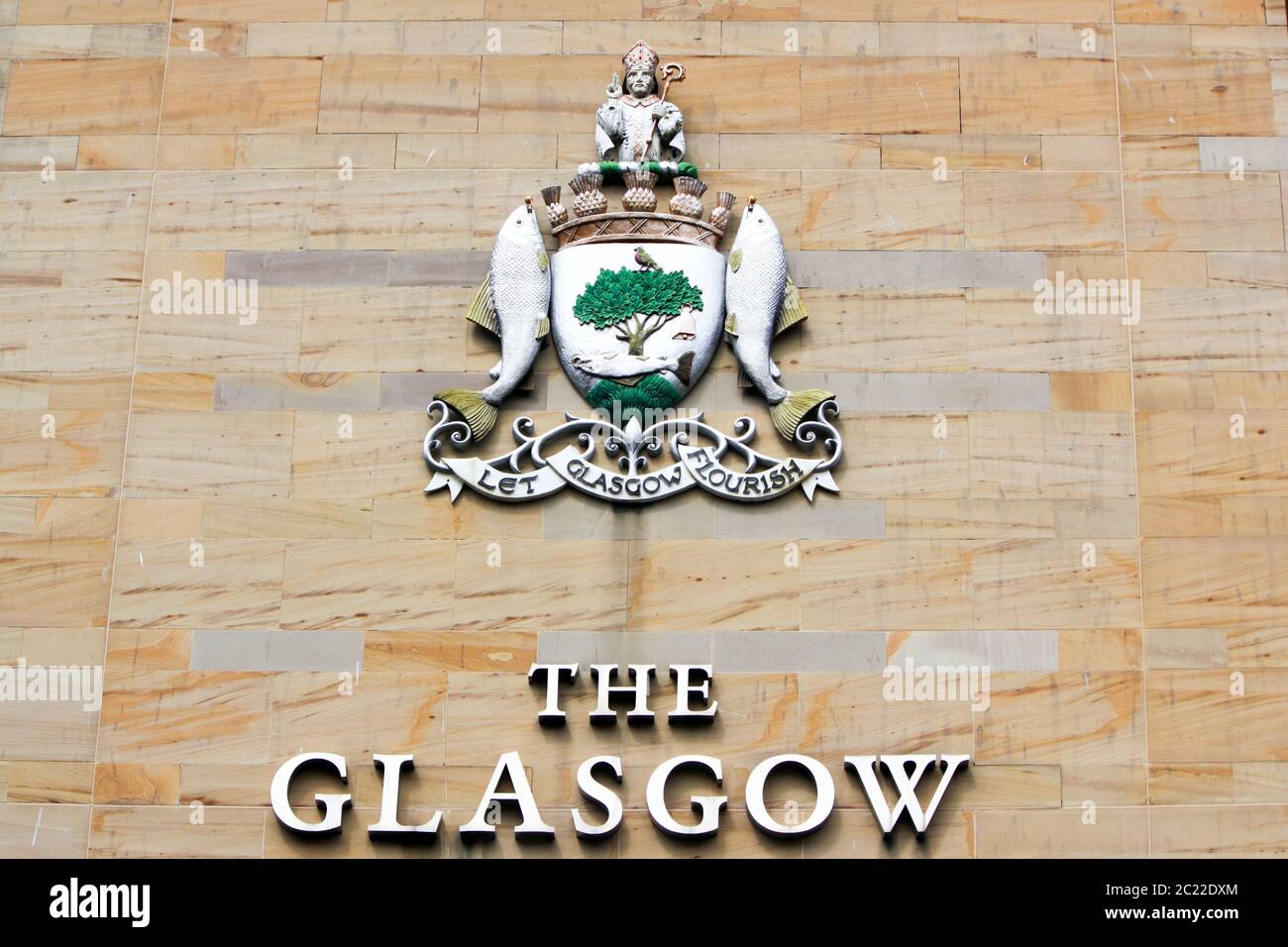
Glasgow (UK: / ˈ ɡ l ɑː z ɡ oʊ, ˈ ɡ. The coat of arms of the City of Glasgow was granted to the royal burgh by the Lord Lyon on 25 October 1866. It incorporates a number of symbols and emblems associated with the life of Glasgow's patron saint, Mungo, which had been used on official seals prior to that date.
TheGlasgowStory Glasgow Coat of Arms
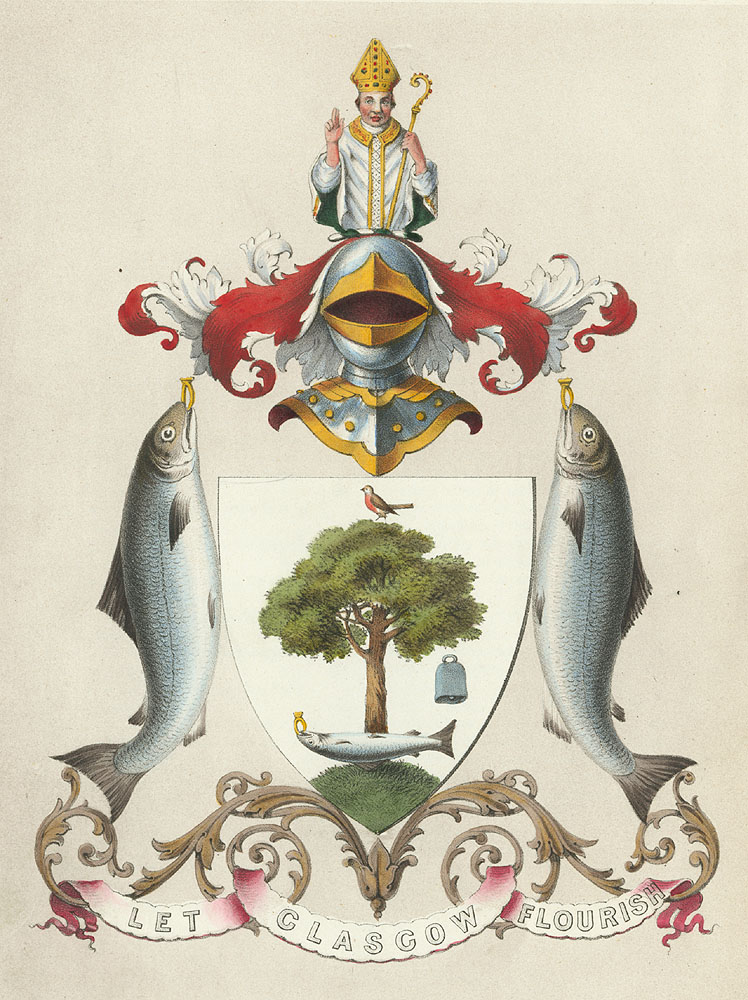
GLASGOW COAT OF ARMS. About Contact Coat of Arms Map Events City Chambers. Glasgow Cross & the High Street. Cathedral. City Centre (East) People's Palace & Glasgow Green. Trongate. City Centre (West) East End (pic by @DennistounStyle) West End. Kelvingrove Park & Art Galleries.
1 x The Glasgow Coat of Arms greetings card (b&w)

Today, the bird, tree, bell and fish form all four of the symbols depicted in Glasgow's coat of arms. St Mungo is also responsible for Glasgow's motto, based on his original prayer: "Lord let Glasgow flourish through the preaching of thy word and praising thy name." Since 1699 this has been shortened to "Let Glasgow flourish".
Glasgow Coat of Arms Plaque Etsy
The City Crest. The City of Glasgow had no single official armorial bearings until the 19 th century. There were at least three official seals in use and a patent was granted by the Lord Lyon in 1866. The first seal on which all the emblems are represented together is that of the Chapter of Glasgow used from 1488-1540, but it was not until 1647.